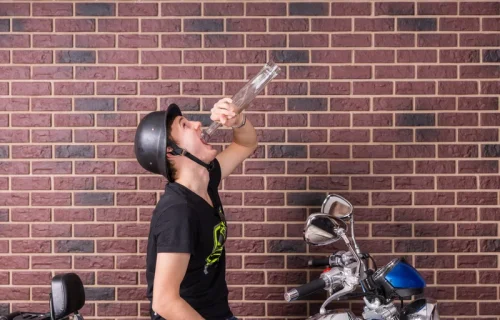
Another reason alcohol can stimulate anxiety is due to dehydration and the next-day blood-sugar drop. A 2018 narrative review suggests that 21.9% to 24.1% of people with an anxiety disorder or mood disorder use alcohol or drugs to relieve their symptoms. People with severe anxiety disorders may be especially at risk of developing AUD.
Can you have alcohol anxiety without having an anxiety disorder?
It’s a natural human response and usually passes once the situation is over – for example around a job interview. But if you have feelings of anxiety that are constant, overwhelming, or affect your daily life, there are things you can do, and support that is available to help you manage. When dealing with stressful days or nervous situations, you may be tempted to have a glass of wine or a beer to calm your nerves. However, drinking alcohol, especially heavily and over a long period of time, can actually increase your anxiety.

It Messes With Your Brain
Alcohol allergy and intolerance can result in similar symptoms but are caused by different underlying factors. An immune response causes alcohol allergy, whereas the digestive system is responsible for alcohol intolerance. Alcohol delays and suppresses or limits rapid eye movement (REM) sleep and may cause you to wake up, resulting in poor-quality, lighter sleep and less time in restorative deep sleep. Before you take any remedies, it is recommended that you seek advice from a doctor or chemist.
- Even though the phenomenon is mostly “all in your head,” it’s one of the few places we can’t escape.
- Having a drink might seem like a good way to ease anxiety, but you may be doing more harm than good.
- This hangover anxiety, or “hangxiety,” can arise for many reasons, including mild withdrawal from alcohol, interrupted sleep, poor dietary choices, and shame or regret.
- Spending half an hour doing physical exercise will also relieve anxiety by encouraging the release of feel-good hormones.
Who can prescribe medication?
Because of their high alcohol content, spirits are more likely to cause us to blackout, which can worsen rebound anxiety the following morning. Some evidence suggests that as an evening wears on—often after you have gone to sleep—alcohol boosts glutamate receptors. This is why you may find yourself wide awake in the middle of the night if you have had a lot to drink the night before. Alcohol’s boost in glutamate may contribute to anxiety well into the following day.
How to Get Help for Anxiety and Alcohol Use Disorders
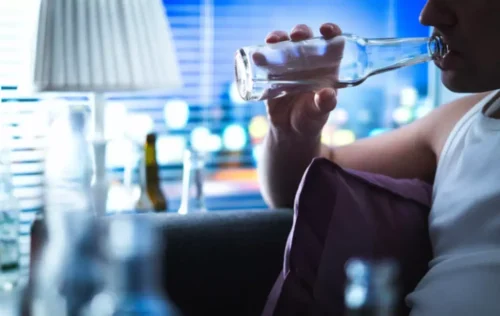
As the effects of the alcohol wear off, your brain works to rebalance these chemicals by reducing GABA and increasing glutamate. This shift has the opposite effect of the night before, causing your brain to become more excitable and overstimulated, which can lead to feelings of anxiety. Even if you’re consuming alcohol and anxiety a standard amount of alcohol — a 12-ounce beer or a 5-ounce glass of wine — you’ll experience a mild detox or withdrawal.
Health Categories to Explore
- A heavy influx of alcohol can lead to your body blocking its own GABA receptors in an attempt to re-establish this equilibrium.
- But one of the most common culprits for feeling anxious the next day is often what you do while drinking.
- If the symptoms of a hangover or hangxiety are severe—or if you are having shaking, tremors, a fever, changes in consciousness, or seizures—get prompt medical attention.
Although glutamate is imperative to cognitive function, Goldberg says that increased levels can translate to feelings of anxiety. While a drink can calm your nerves in some situations, lab research shows that it doesn’t help reduce fear of a threat or predicament that you know is coming. If anything, because alcohol can enhance our focus on the present moment, it could trigger your anxiety by making you more preoccupied with whatever you’re currently worried about. Alcohol can also accentuate anxiety by interfering with sleep and leaving you fatigued and feeling less able to cope. While it is not easy to keepdrinking less or not drinking at all for a few days, you need to push yourself hard to feel normal again.
Why do some people feel more anxious after drinking than others?
- As Dr. Greenfield puts it, “Time is on your side.” Just breathe, take care of yourself, and remember that hangxiety isn’t forever.
- Long-term heavy drinkers may be predisposed to developing an anxiety disorder.
- From support groups with like-minded people to one-to-one therapy, talking about your anxiety and how alcohol makes you feel can help you better understand your relationship with it.
- When you drink, do you couple this with eating pretzels, pizza or sweets?
- Practice self-compassion and relaxation techniques to relieve embarrassment, shame, or regret.
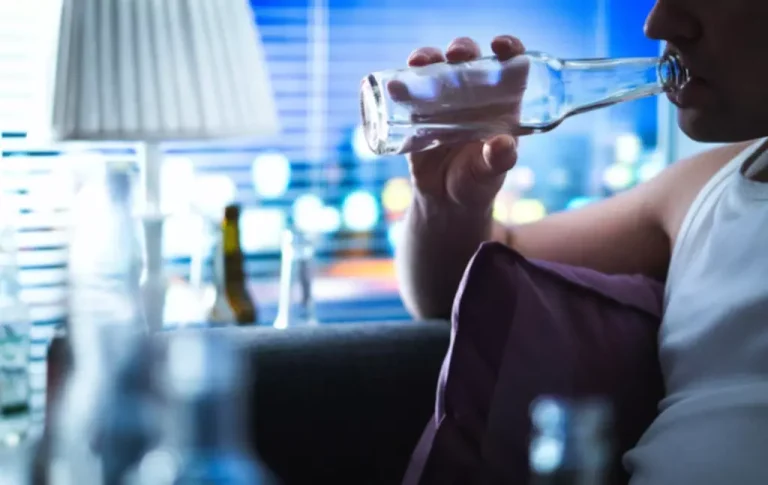
It’s no secret that alcohol has a profound impact on the brain—even a casual drinker can experience a mood shift after a beer or two. It’s also no secret that drinking—especially heavy drinking—can bring on feelings of regret the next day. Preventing hangxiety requires a level of insight into your own emotions. You may experience anxiety-related emotions while under the influence of alcohol and/or as the effects of alcohol begin to wear off.
Anxiety After Drinking
Occasionally, Dr. Lin may recommend that additional therapy is needed and ask that you bring a therapist into your care team in order to provide the best outcome. Dr. Lin received his medical degree from St. George’s University School of Medicine. He went on to complete his residency in psychiatry at Harvard South Shore, an affiliate of Harvard Medical School, where he served as Chief Resident and earned his 360° Professionalism award. He then had additional training in Addiction Psychiatry Alcohol Use Disorder through his fellowship at the University of Texas Southwestern Medical Center.
Notre audience
“Hangxiety” describes the regret, worry, and levels of anxiety felt after a night of heavy drinking. While the term may be informal, the science isn’t—there’s plenty of data to explain this experience. Anxiety disorders are a potential comorbidity of alcohol use disorder (AUD).